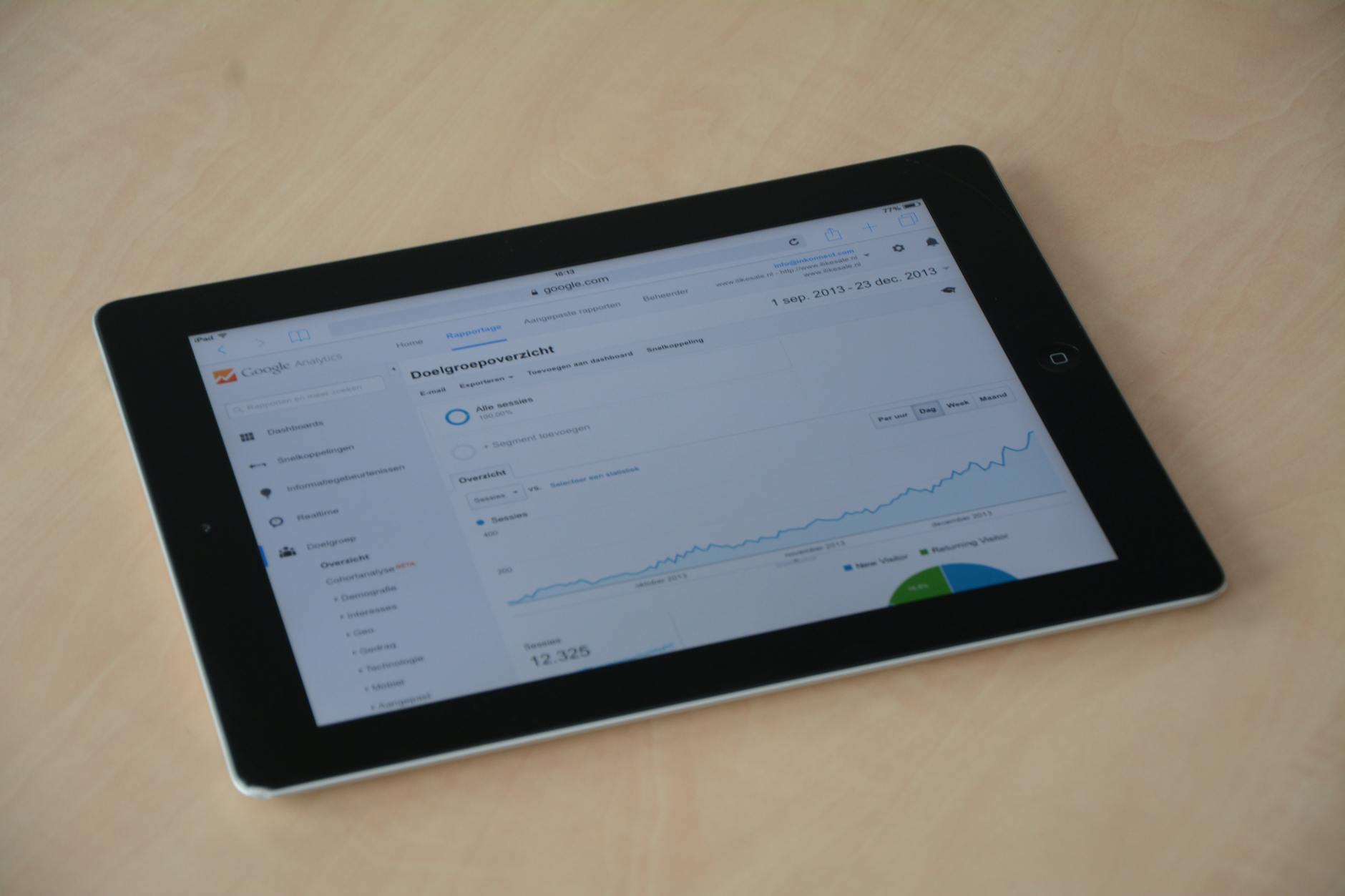
Picture this: You've just launched your bakery's website, complete with online ordering and delivery details for Harare suburbs. Orders are trickling in, but you're not sure if your site is actually working well. Google Analytics sends you weekly emails with numbers like "2,847 page views" and "4.2% bounce rate," but what do these actually mean for your business?
If you're like most Zimbabwean business owners, you might glance at these reports and feel overwhelmed by the jargon. But here's the truth: understanding your website analytics doesn't require a computer science degree. You just need to know which numbers matter and what they're telling you about your customers.
Why Website Analytics Matter for Zimbabwe Businesses
Before diving into the numbers, let's understand why analytics matter in the Zimbabwean context. With internet penetration growing and more customers researching products online before visiting shops in Borrowdale, Westgate, or local shopping centres, your website is often the first impression you make.
Consider a local car parts shop in Msasa. Their website analytics revealed that most visitors were searching for specific part numbers but leaving the site quickly. This data led them to create a better search function, resulting in a 40% increase in phone enquiries. That's the power of understanding your data.
The Essential Metrics That Actually Matter
1. Unique Visitors vs. Page Views
Unique visitors tells you how many different people visited your site, while page views counts every page they looked at. Think of it like foot traffic in your shop versus how many items customers pick up to examine.
For a Zimbabwean context: If your hardware store website had 500 unique visitors who generated 1,500 page views, it means each person looked at about 3 pages on average. This suggests visitors are genuinely interested and exploring your offerings, not just accidentally landing on your site.
2. Bounce Rate: The Digital Window Shopping Metric
Bounce rate shows the percentage of visitors who leave after viewing only one page. A high bounce rate isn't always bad—if someone finds your contact details immediately and calls you, that's a successful visit even though they "bounced."
However, if your online shop selling beauty products has a 90% bounce rate, it might indicate problems like slow loading (common with unreliable internet), confusing navigation, or prices not clearly displayed in USD.
3. Traffic Sources: Where Your Customers Find You
Understanding where visitors come from helps you focus your marketing efforts. Common sources include:
- Organic search: People finding you through Google searches
- Direct: Visitors typing your website address directly
- Social media: Traffic from Facebook, Instagram, or WhatsApp Business links
- Referrals: Other websites linking to yours
A local restaurant in Avondale discovered that 60% of their website visitors came from their Instagram posts about daily specials. This insight led them to invest more time in social media content, resulting in more table bookings.
Understanding Visitor Behaviour: What Your Customers Are Really Doing
Most Popular Pages
Your analytics will show which pages get the most visits. This reveals what customers care about most. If you're a driving school and your "lesson prices" page gets more traffic than your "about us" page, you know price transparency is crucial for potential students.
Time Spent on Pages
Pages where visitors spend more time usually indicate genuine interest. However, interpret this carefully—someone spending 10 minutes on your "contact us" page might be struggling to find your location, not admiring your design.
Exit Pages
These show where people commonly leave your site. If many visitors exit from your product pages without proceeding to checkout, you might need clearer pricing, better product descriptions, or more payment options (like EcoCash or InnBucks integration for local customers).
Mobile vs. Desktop: The Zimbabwe Reality
In Zimbabwe, mobile internet usage often exceeds desktop usage. Your analytics will show this breakdown, and it's crucial information. If 80% of your visitors use mobile devices but your site looks terrible on phones, you're losing potential customers.
Consider a local boutique whose analytics revealed that mobile users had a much higher bounce rate than desktop users. After optimising their site for mobile devices and ensuring images loaded quickly even on slower connections, they saw a 50% increase in mobile enquiries.
Converting Data Into Business Decisions
Identifying Your Best Content
Look for pages with high visitor numbers and low bounce rates. These are your website's stars. A local gym found that their "beginner workout routines" page was their most popular content. They used this insight to create more beginner-focused content and saw membership enquiries increase by 30%.
Spotting Problems Early
Analytics can highlight issues before they seriously impact your business. If you notice a sudden spike in bounce rate, it might indicate:
- Website technical problems
- Slow loading due to large images or videos
- Broken links or forms
- Content that doesn't match what people expect
Optimising for Local Search
Pay attention to search terms people use to find your site. If customers search for "car service Borrowdale" but you only mention "automotive maintenance," you're missing opportunities. Update your content to match how Zimbabweans actually search.
Setting Up Analytics the Right Way
Most analytics platforms are free, but setup matters. Ensure you're tracking the right things:
- Goal tracking: Define what success looks like (form submissions, phone calls, downloads)
- Local tracking: Pay attention to visitors from Zimbabwe specifically
- Mobile optimisation: Given mobile usage patterns in Zimbabwe
Be honest about limitations: Analytics won't tell you everything. They won't explain why someone left your site or what would convince them to buy. Sometimes, picking up the phone and asking customers directly provides insights no analytics tool can match.
Common Zimbabwean Business Scenarios
A local hardware shop noticed most visitors came on Saturday mornings but spent little time on the site. Investigation revealed people were quickly checking opening hours before driving over. The solution wasn't website changes but ensuring operating hours were prominently displayed and accurate.
Conversely, a computer training centre found visitors spent ages reading course descriptions but rarely enrolled online. They discovered people preferred calling to discuss courses personally. Adding a prominent "Call us to discuss your training needs" button improved conversions significantly.
Making Analytics Work for Small Budgets
You don't need expensive tools or dedicated staff. Start simple:
- Check your analytics weekly, not daily (unless you're running specific campaigns)
- Focus on trends over individual days—weekend vs. weekday patterns matter more than Tuesday's specific traffic
- Use the data to make one small improvement each month
Remember, perfect data isn't the goal—better business decisions are.
Key Takeaways for Zimbabwe Business Owners
Website analytics become powerful when you focus on metrics that connect to real business outcomes. Don't get lost in vanity metrics like total page views—focus on understanding your visitors' behaviour and using those insights to serve them better.
Start with the basics: who's visiting, what they're looking for, and where they're getting stuck. Most importantly, remember that analytics complement, not replace, direct customer feedback and your own business intuition.
Your website is working 24/7 for your business. Understanding what it's telling you about your customers' behaviour gives you a significant advantage in Zimbabwe's competitive market. The numbers aren't just statistics—they're insights into what your customers actually want and how you can better serve them.